
How the Dealer Peek Rule Shapes Every Blackjack Hand
- At September 14, 2026
- By Amy Lenzo
- In Uncategorized
 0
I spent a morning in Canberra watching a live dealer shoe the cards, and the first thing that caught my eye was not the flashy table graphics but the quiet pause before the hole card was shown. That split second is where the blackjack dealer peek rule earns its keep. For an Australian player who wants a clear, honest round rather than a guessing game, the way a platform handles that moment says a lot about its design and its respect for the player. I have spent years building lifecycle journeys where timing and transparency matter, and a peek rule handled badly feels exactly like a poorly timed email: it breaks trust before the action even starts.
What the Peek Rule Actually Does at the Table

The blackjack dealer peek rule is the house convention that lets the dealer check their hole card for a potential blackjack before players commit to a hit, stand, or double. When the upcard is an ace or a ten-value card, the dealer peeks under the corner of the hole card; if a natural is present, the round resolves immediately and the hand does not proceed to player decisions. That is the core of it, and it matters because it stops players from doubling or splitting into a losing hand that was already over. In practice, a well-signposted table tells you exactly when the peek happens, what happens if the dealer has blackjack, and how the payout settles, so you are not left reading the fine print mid-hand.
I have seen platforms in the iGaming and membership space where a single unclear rule costs more than a clunky checkout, because players assume the worst when the outcome arrives without warning. On a blackjack table, that assumption shows up as hesitation, misplayed hands, and a quick exit from the session. A clean peek rule, by contrast, behaves like a well-built CRM trigger: the right message appears at the right moment, with no surprises. That is why the detail is worth more than a passing mention.
For players comparing options, a transparent table layout and a readable rules panel are the first signs that a site understands its audience. A short registration flow that does not bury the rules, local currency display, and a help section that answers the peek question in plain English all point to a product built for everyday use rather than a flashy one-off. I am not here to sell any one operator, but I do reckon a site that explains the peek rule clearly is usually the one that treats the rest of the session with the same care.
When those details align, the experience feels less like a gamble and more like a dependable service. Sites that prioritize this kind of clarity tend to keep players returning because the setup never gets in the way of the game. You can see that approach reflected in the layout at https://abigcandy-access.com/.
| Detail | What it means for the player |
|---|---|
| When the peek happens | Dealer checks for blackjack only on an ace or ten-value upcard |
| How a dealer blackjack resolves | Round ends immediately, player hands do not play out |
| Why it matters | Protects doubles and splits from being played into a losing hand |
| What to look for | Clear rules panel, plain-language payout terms, visible table signage |
Reading the Rule in Real Play
How the moment unfolds on a live or digital table
On a busy arvo in Canberra, I watched a shoe cycle through a dozen hands before anyone noticed the small printed note near the felt that explained the peek. That is the usability point: the rule should be visible before you sit down, not something you discover after you have already doubled on 11. On a digital table, the same idea shows up in the rules panel and the pre-hand animation, where the dealer checks the hole card and the screen makes the outcome obvious before any player action is requested.
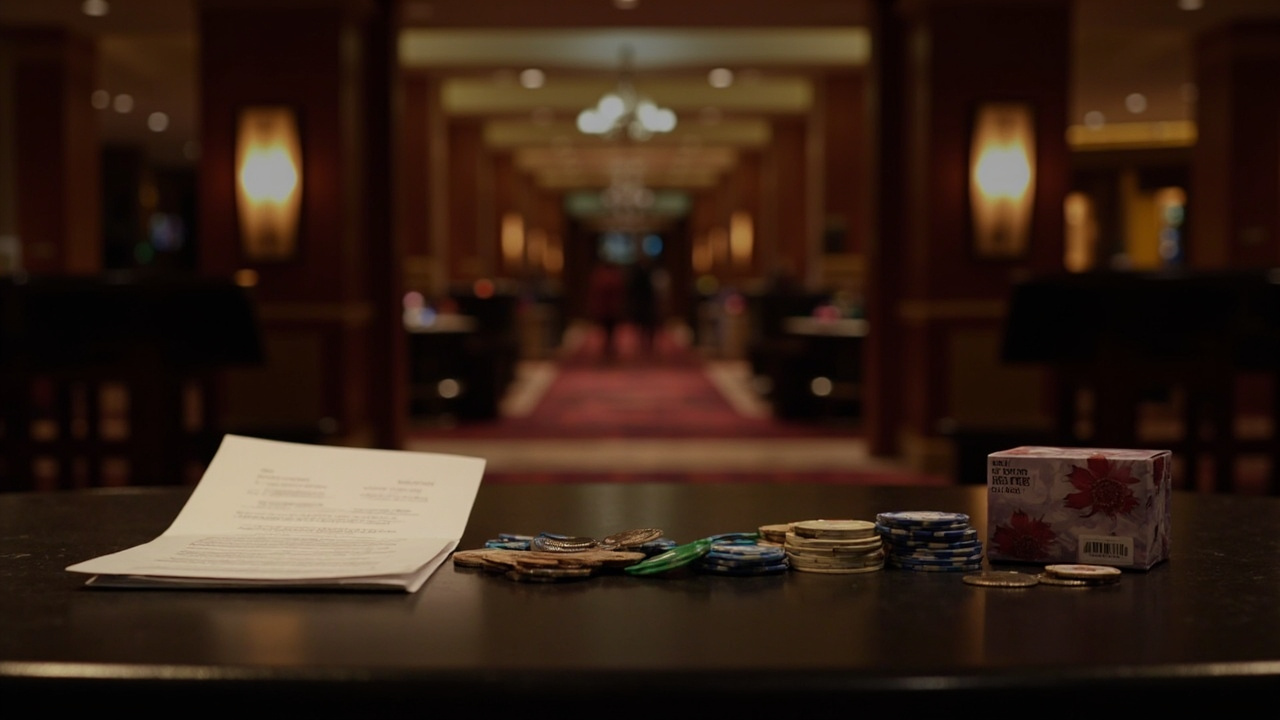
The key is that the peek is not a gimmick; it is a timing rule that protects both sides from playing out a hand that is already decided. When the dealer shows an ace, the peek checks for a ten-value hole card; when the upcard is a ten, the same check applies at most tables that use the peek convention. If the dealer has blackjack, the hand ends and the payout follows the table terms, which is why the rules panel should state the exact treatment of player doubles and splits in that scenario.
I have built automated journeys where a single ambiguous step sends people down the wrong path, and the fix is always the same: make the next step unmistakable. A blackjack table that does this well tells you when the peek happens, what you can and cannot do during it, and how the round resolves, all without making you hunt through a help page. That is the kind of clarity that keeps a session feeling like play rather than a puzzle.
What changes for your decisions
The practical effect is simple: if the dealer can have blackjack, your double or split may be wasted if you act first on a false assumption. The peek rule removes that uncertainty by resolving the dealer’s natural before your decision point, so you are not doubling into a hand that was already over. That is why players who care about making sensible choices pay attention to whether a table uses the peek convention and how it is described.
There is a useful comparison here with the kind of decision support I have used in lifecycle campaigns, where the right nudge at the right time prevents a bad choice later. On a blackjack table, the peek rule is that nudge: it does not tell you how to play your hand, but it does tell you when the dealer’s hand is already settled. Players who understand that can focus on their own decisions instead of worrying about a hidden outcome. For a deeper look at a common tough spot, read the piece on Blackjack Decisions When a 15 Faces a Dealer 10 at https://nqminersden.com/insights/blackjack-hit-or-stand-on-15-vs-10-b0a2, which walks through a situation where the dealer’s upcard already shapes your choice.
The same clarity shows up in how a site presents its other features. A rules-first approach usually pairs with a straightforward bonus description, sensible payment options, and a support team that can answer the peek question without waffling. I have seen membership-style loyalty setups where points and perks are explained in plain language, and the same principle applies here: if the peek rule is easy to find, the rest of the table is probably easier to read too.
Why the Peek Rule Matters to the Way You Play
The blackjack dealer peek rule is not just a technical detail for purists; it shapes how confident you feel when you are deciding whether to hit, stand, or double. When the rule is explained clearly and applied consistently, you spend less time second-guessing the dealer’s hidden card and more time reading your own hand. That is the real benefit for an Australian player who wants a straightforward session rather than a mystery.
I have worked on campaigns where the difference between a good outcome and a frustrated one came down to whether the player knew what was happening next. The same idea applies at the table: a peek rule that is easy to understand reduces the chance that a player feels blindsided by a round that ended before they acted. It also helps to have a platform that presents the rule without dressing it up in jargon, because the fewer translation steps between the rule and your decision, the better.
There is a small pleasure in a table that gets this right, the kind of satisfaction that feels a long way from the showtune “Luck Be a Lady” from “Guys and Dolls” and a lot closer to a well-run game where everyone knows the conventions. It is not about chasing a big moment; it is about knowing the rules of the moment you are in. That is the kind of clarity that makes a session feel fair, whether you are playing for a quiet hour or a longer stretch.
For players who want to read the room before they sit down, the peek rule is a useful signal. A platform that explains it plainly, shows it in the rules panel, and applies it consistently is usually one that has thought about how people actually play. I would rather see that than a glossy table with hidden terms, because the rule is where the honesty of the game shows up first.
If you are weighing where to play, the peek rule is a good place to start, not because it guarantees anything, but because it tells you how a platform treats the small moments that shape every hand. I still think about that Canberra table and the quiet pause before the hole card appeared; the best tables do not hide that moment, they make it readable. When the blackjack dealer peek rule is clear, the rest of the session tends to feel a lot less like a guess and a lot more like a game you can actually read.

Follow Tom!